 USA
USA 
|
| | | | LOGIN |
|
| | | | LOGIN |

| Save 10% With Code REVIVE2024 + an Extra 5% Off Orders $1000+ |
| With Code REVIVE2024 |
| Amyris |
| Anise Star |
| Aniseed |
| Basil (India) |
| Basil Organic |
| Benzoin (Resinoid) |
 | Bergamot Organic |
| | Bergamot - Bergaptene Free |
| | Bergamot (Calabrian) |
| | Bergamot (Natural Blend) |
| | Bergamot - Bergaptene Free (Natural Blend) |
| Blood Orange (Sicily) |
| Cajeput |
| Calamus Root |
| Camphor |
| Cardamom |
| Cardamom Organic |
| Carrot Seed (Steam) |
| Cassia |
| Cassia Organic |
| Catnip |
| Cedar Leaf (Thuja) |
| | Cedarwood (Atlas) |
| | Cedarwood (Himalayan) |
| | Cedarwood (Texas) |
| | Cedarwood (Virginian) |
| | Cedarwood (Atlas) Organic |
| | Chamomile German (Hungary) |
| | Chamomile German (Bulgaria) |
| | Chamomile German (Nepal) |
| | Chamomile German (Nepal) Organic |
| | Chamomile Roman (China) |
| | Chamomile Roman (France) |
| Cinnamon Leaf |
| Cinnamon Bark Organic |
| Cinnamon Leaf Organic |
| Cinnamon Bark (Madagascar) |
| Cinnamon Bark (Ceylon) |
| Citronella (Java) |
| Citronella Organic |
| Clary Sage (France) |
| Clary Sage Organic |
| Clementine |
| Clove Leaf Rectified (Indonesia) |
| Clove Bud (India) |
| Clove Bud (Indonesia) |
| Clove Bud Organic |
| Copaiba Balsam |
| Coriander - Seed |
| Coriander - Herb |
| Cypress Blue (Australia) |
| Cypress Organic |
| Elemi |
| | Eucalyptus (Radiata) |
| | Eucalyptus (Radiata) Organic |
| | Eucalyptus (Lemon) Organic |
| | Eucalyptus (Blue Mallee) Organic |
| | Eucalyptus (Globulus) Organic |
| | Eucalyptus (Blue Mallee) |
| | Eucalyptus Globulus 80/85% |
| | Eucalyptus Lemon (Brazil) |
| Fennel Sweet |
| Fennel Organic |
| Fir Balsam |
| Fir Needle (Siberian) |
| Fir Balsam Organic |
| Frankincense - Boswellia carterii |
| Frankincense - Boswellia serrata |
| Frankincense Organic |
| Geranium (Egyptian) |
| Geranium Organic |
| Ginger Organic |
| Ginger Root - Dried |
| Ginger Root - Fresh |
| Grapefruit Pink Organic |
| Grapefruit (White) |
| Grapefruit Pink (Natural Blend) |
| Grapefruit (Pink) |
| Helichrysum (Africa) |
| Helichrysum (Slovenia) |
| Helichrysum Organic |
| Ho Wood |
| Ho Wood Organic |
| Hyssop |
| Hyssop Organic |
| Juniper Berry (Hungary) |
| Juniper Berry (India) |
| Juniper Berry Organic |
| Laurel Leaf |
| Laurel Leaf Organic |
| Lavandin (Grosso) |
| Lavandin Grosso Organic |
| | Lavender Organic |
| | Lavender (Bulgaria) |
| | Lavender Population |
| | Lavender (France) |
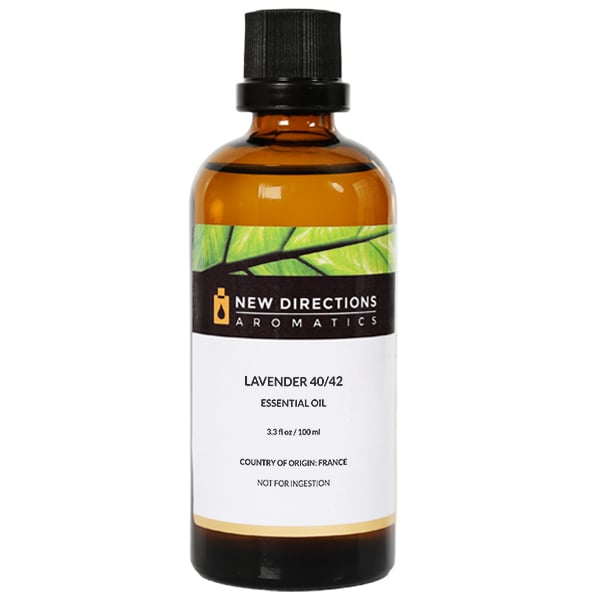
| | Lavender 40/42 |
| | Lavender (Natural Blend) |
| Lemon (Argentina) |
| Lemon (Natural Blend) |
| Lemon (Sicily) |
| Lemon 5 Fold (Natural Blend) |
| Lemon 5 Fold |
| Lemon Organic |
| Lime - Key Lime |
| Lime - Key Lime (Natural Blend) |
| Lime Organic |
| Lime (Persian / Tahiti) |
| Lime (Natural Blend) |
| Litsea Cubeba |
| Litsea Cubeba Organic |
| Mandarin |
| Mandarin (Natural Blend) |
| Marjoram (Sweet) |
| Marjoram Organic |
| Melissa Leaf (Slovenia) |
| Melissa Leaf Organic |
| Melissa Leaf (Bulgaria) |
| | Myrrh |
| | Myrrh Indian (Resinoid) |
| Neroli (Egypt) |
| Niaouli |
| Nutmeg (India) |
| Nutmeg Organic |
| | Orange (Sweet) Organic |
| | Orange Bitter (Sicily) |
| | Orange (5 Fold) |
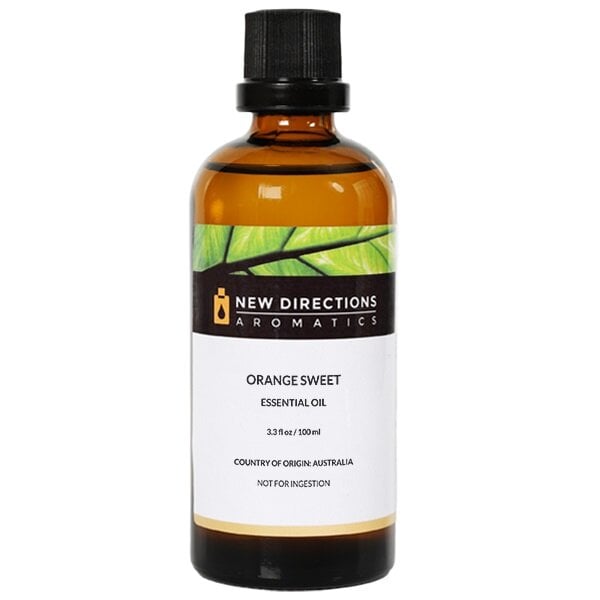
| | Orange (Sweet) |
| | Orange Bitter (Natural Blend) |
| Origanum Organic |
| Origanum (Origanum Vulgare) |
| Palmarosa |
| Palmarosa Organic |
| Palo Santo |
| Patchouli (Dark) |
| Patchouli (Light) |
| Patchouli Organic |
| Pepper Black |
| Pepper Black Organic |
| Peppermint (Japanese) |
| Peppermint (Supreme) |
| Peppermint Japanese Organic |
| Peppermint Supreme Organic |
| Petitgrain (Sicily) |
| Pine Scotch |
| Pine Organic |
| Pink Peppercorn |
| Ravintsara |
| Rose Geranium Organic |
| Rose Geranium - South African |
| Rosemary - ct Cineole (Tunisia) |
| Rosemary - ct Cineole (Tunisia) Organic |
| Rosemary - ct Cineole (Hungary) |
| Rosemary - ct Cineole (Morocco) |
| Rosemary - ct Camphor (Spain) |
| Rosemary - ct Cineole (Morocco) Organic |
| Rosewood (Natural Blend) |
| Rosewood (Peru) |
| Sage Dalmatian |
| Sage Organic |
| Sandalwood (Australian) |
| Sandalwood (East Indian) |
| Sandalwood Organic |
| Silver Fir Organic |
| Spanish Sage |
| Spearmint Organic |
| Spearmint 65% (India) |
| Spikenard |
| Spikenard Organic |
| Spruce - Black Organic |
| Spruce - Black |
| Spruce - Hemlock |
| Spruce - White |
| Tagetes (Egypt) |
| Tangerine (Natural Blend) |
| Tangerine 5 Fold (Natural Blend) |
| Tangerine |
| Tansy Blue |
| Tea Tree (China) Organic |
| Tea Tree - AAA (Australia) |
| Tea Tree (Lemon) |
| Tea Tree (Australia) Organic |
| Thyme (White) |
| Thyme Organic |
| Thyme Red |
| Vanilla Oleoresin - 10 Fold (India) |
| Vetiver |
| Vetiver Organic |
| Wintergreen (China) |
| Wintergreen (Nepal) Organic |
| Wintergreen (China) Organic |
| Wintergreen (Nepal) |
| Yarrow |
| Yarrow Organic |
| | Ylang Ylang #1 |
| | Ylang Ylang #2 |
| | Ylang Ylang #3 |
Botanical Name: Juniperus virginiana
Main Constituents:
Cedrol: 19.2-24%
Thujopsenene: 10-25%
Plant Part: Wood
Origin: USA
Processing Method: Steam Distilled
Description / Color / Consistency: A thin pale yellow to brownish liquid.
Aromatic Summary / Note / Strength of Aroma: A middle note of strong aroma, this oil has a sweet and woody scent, and sometimes reminiscent of sandalwood. It is softer than that of Cedarwood Atlas, but stronger than that of Cedarwood Texas.
Blends With: Rosewood, Bergamot, Cypress, Cassia, Jasmine, Juniper, Neroli, Labdanum, Frankincense, Clary Sage, Vetiver, Rosemary, Ylang-ylang.
Product Abstract: The Virginia Cedarwood is a slow-growing, coniferous evergreen, reaching heights of 33 metres. It has a reddish heartwood and bears brown cones. Also known as Red Cedar, it is from the family Cupressacea. Originally used by native North Americans, Cedar is an important ornamental and timber tree of eastern North America whose fragrant wood is made into cabinets, fence posts, and pencils.
Cautions: Dilute before use; for external use only. May cause skin irritation in some individuals; a skin test is recommended prior to use. Contact with eyes should be avoided.
NOTE: This oil may form crystals during transit or storage. Gentle warming in a hot water bath and stirring may be required.
Storage: It is recommended that oils packaged in metal containers (for safe shipping) be transferred into dark glass containers to maintain freshness and attain maximum shelf life.
 Discover Our Blog for More Insights
Customers may purchase products from New Directions Aromatics Inc. only with the clear understanding that all products must be used at their own discretion, and only after referring to the Material Safety Data Sheets (MSDS) and all other relevant technical information specific to the product. New Directions Aromatics Inc. shall not be held responsible for any damages to property or for any adverse physical effects (including injury or bodily harm).
New Directions Aromatics Inc. shall not be responsible for any damages resulting from use of or reliance upon this information. The user of the product is solely responsible for compliance with all laws and regulations applying to the use of the products, including the intellectual property rights of third parties.
The certifications, statements and product descriptions shown on this website are strictly for information purposes only. The information in this document is obtained from current and reliable sources but makes no representation as to its comprehensiveness or accuracy. Nothing contained herein should be considered as a recommendation by New Directions Aromatics Inc. as to the fitness for any use.
Further, New Directions Aromatics is not responsible for the comments made in the customer reviews, nor when products are used in ways not suitable to their purpose (for example, fragrance oils in toothpaste; bath salts in metal containers; additives used in larger amounts than recommended).
As with any manufacturing process, New Directions Aromatics strongly recommends small lab scale testing for evaluation purposes prior to full commercial manufacturing. As the ordinary or otherwise use(s) of this product is outside the control of New Directions Aromatics Inc., no representation or warranty, expressed or implied is made as to the effect(s) of such use(s) (including damage or injury), or the results obtained.
The liability of New Directions Aromatics Inc. is limited to the value of the goods and does not include any consequential loss. New Directions Aromatics Inc. shall not be liable for any errors or delays regarding an order, or for any actions taken in reliance thereon. Please note, the International Federation of Aromatherapists do not recommend that Essential Oils be taken internally unless under the supervision of a Medical Doctor who is also qualified in clinical Aromatherapy. In addition, Essential Oils must be properly diluted before use in order to avoid any damages to property or adverse physical effects (including injury or bodily harm).


 CUSTOMER CARE: 1-800-246-7817 (Toll Free)

|
Discounts
Save 10% Off With Code REVIVE2024 + an Extra 5% Off Orders of $1000 or More. |

|
Question or Concerns?
1-800-246-7817
9am-5pm EST (Mon-Fri) |



.jpg)


